Storage furniture comparison guide
Sideboard vs storage cabinet for a living room or dining wall
Short answer: choose a sideboard when you need a long, lower storage piece for a dining wall, media-adjacent living room wall, or serving surface. Choose a storage cabinet when the room needs more closed vertical storage, a stronger anchor, or a smaller footprint with doors and shelves. Before checkout, compare wall width, product depth, drawer or door swing, walking clearance, finish tone, live stock, current USD price, and the delivery route into the room.
For Nora Lane Home shoppers, start with the Storage furniture, Living Room furniture, and Dining and Serving furniture categories. Treat each live product page as the source of truth for current price, availability, images, materials, dimensions, and checkout status.
When a sideboard is the better fit
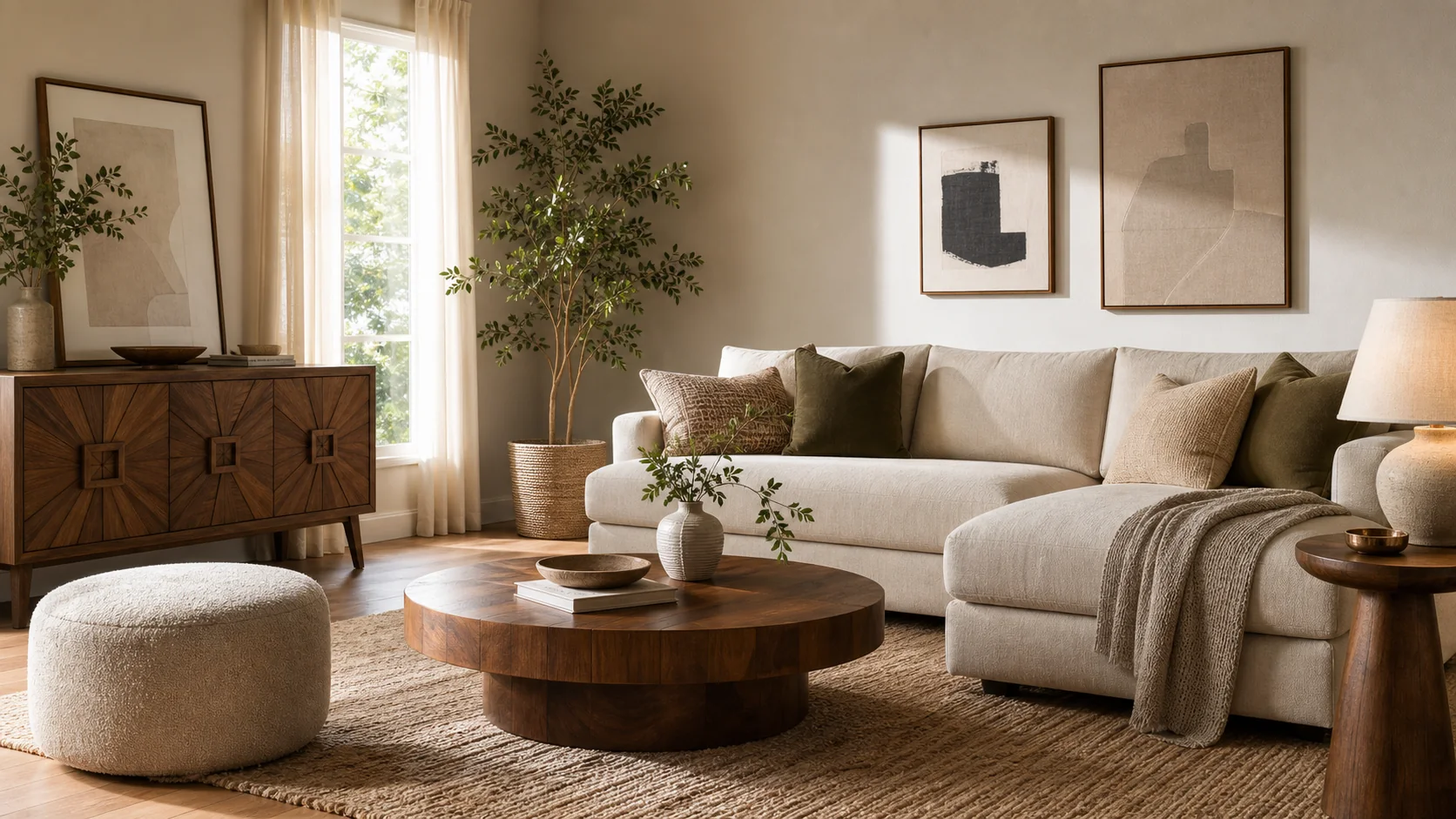
A sideboard usually works best along a longer wall where the top can support serving pieces, decor, a lamp, a turntable, or media overflow without taking over the room. It is often the better choice for dining spaces because the lower profile leaves more wall space for art, mirrors, or open visual breathing room.
Choose a sideboard when the room needs horizontal storage, surface area, and a calmer sight line. It can also bridge living and dining areas in apartments where one wall has to support both everyday storage and hosting.
When a storage cabinet is the better fit
A storage cabinet is usually better when you need closed vertical storage, stronger clutter control, or a compact footprint. Cabinet doors and shelves can hide blankets, games, table linens, pet supplies, office spillover, or entry items, but they need clearance to open fully.
Choose a cabinet when the wall is narrower, the storage job is taller, or the room needs a visual anchor. Check door swing, shelf access, nearby seating, outlet location, and whether a darker finish will make the room feel too heavy.
Compare by measurements, not just style
Sideboards need more horizontal room. Cabinets may fit shorter walls but can feel taller and heavier.
Depth affects walking space. Leave clearance in front for doors, drawers, chairs, and daily traffic.
Dining walls favor serving storage. Living rooms may need media, blanket, game, or everyday clutter storage.
Measure the entry, hallway turns, stairs, elevator, and final placement path before ordering oversized furniture.
Use live Nora Lane examples as the evidence layer
Useful current comparisons include the Walnut Storage Sideboard for a lower dining or living wall, the Natural Wood Set of 2 Storage Cabinets for paired closed storage, the Black Storage Cabinet for a sharper anchor, and the Brown Textured Storage Cabinet for a warmer closed-storage option.
Open each product page before cart. Compare current USD price, stock, image gallery, material notes, product schema, shipping and return links, and whether the piece is actually purchasable today.
Match the finish to the room
Walnut and brown finishes can connect a dining table, sofa leg, or wood floor, while black storage can define a media or entry wall. Natural wood helps a smaller room feel lighter. If the room already has several wood tones, do not force an exact match; look for a shared warm, cool, light, or deep undertone.
For tight rooms, visual weight matters as much as storage volume. A sideboard can feel calmer because it keeps the wall lower. A cabinet can feel more organized because it hides more, but it needs enough open wall and walkway clearance.
Check policies and room-fit support
Before checkout, review the Shipping Policy and Return and Refund Policy. If the wall, doorway, hallway, stair turn, or elevator path is tight, use the free room-fit review with the product URL and your measurements before ordering.
Sideboard vs storage cabinet FAQ
Is a sideboard or storage cabinet better for a dining room?
A sideboard is usually better for dining rooms because it gives a lower serving surface and horizontal storage for dinnerware, linens, and hosting pieces.
Is a storage cabinet better for a living room?
It can be better when the living room needs closed vertical storage for blankets, games, media accessories, office items, or everyday clutter.
What should I measure before choosing?
Measure wall width, product depth, walkway space, drawer or door swing, outlet location, chair clearance, and the delivery path into the room.
Can a sideboard work as media storage?
Yes, if the width, height, ventilation, cable access, and storage layout fit your TV zone and equipment.
Decision checklist before checkout
- Choose a sideboard for lower horizontal storage and serving surface.
- Choose a cabinet for closed vertical storage and stronger clutter control.
- Confirm door, drawer, chair, and walking clearance.
- Compare finish tone against flooring, dining table, sofa, and nearby wood pieces.
- Open the live product page for current USD price, stock, images, and details.
- Review shipping, returns, and room-fit support before placing the order.