Free room-fit review
Search Cart

Category: Furniture Buying Guides

  • How to Choose a Storage Bench for a Small Entryway, Bedroom, or Living Room

    Storage bench buying guide

    How do you choose a storage bench for a small room?

    Short answer: choose a storage bench only after you know what it must do every day: catch shoes at the entry, hold folded blankets near a sofa, finish the foot of a bed, or add a softer landing spot in a hallway. Measure the open floor area, door swing, walking lane, bench depth, storage access, and delivery route before checkout. Then open each live Nora Lane Home product page to confirm current USD price, stock, photos, dimensions, material notes, Product schema, Add to Cart status, shipping policy, return policy, and room-fit support.

    Start with Storage furniture or Bedroom furniture, then compare the bench role, finish, clearance, and live product facts before adding a storage bench to cart.

    Start with the daily job

    Entryway drop zone

    Check door swing, shoe storage, bag space, and whether people can still pass without turning sideways.

    Bedroom bench

    Leave room at the foot of the bed for drawers, closet doors, bedding overhang, and the normal walking path.

    Living room extra storage

    Compare the bench depth against the sofa, coffee table, TV stand, sideboard, and main traffic lane.

    Hallway or window seat

    Check hallway turns, vents, curtains, sill height, and whether storage can open without blocking the path.

    Compare real Nora Lane storage bench examples

    Current Nora Lane Home examples to compare include the Beige Solid Wood Storage Bench for a lighter bedroom, storage, or living room layout; the Black Faux Leather Storage Bench when a wipeable darker seat makes more sense; the Brown Wood Storage Bench for a warmer storage-led accent; and the Black Solid Wood Storage Bench when the bench needs to visually anchor a wall.

    For a broader price, finish, and size comparison, also review the Brown Storage Bench, Walnut Storage Bench, Brown Storage Bench, and Brown Storage Bench. Product details can change after a guide is written, so treat the live product page as the source of truth for current USD price, stock, dimensions, photos, and checkout availability.

    Measure the opening path, not just the footprint

    A storage bench can fit on the floor but still fail in daily use if drawers, lids, baskets, nearby doors, closet doors, or traffic lanes collide. Tape the bench footprint on the floor, then test the normal path from the door, bed, sofa, or hallway. If another piece has to move every time the storage opens, choose a smaller bench or a different wall.

    If the bench is for an entryway, keep the landing area clear enough for shoes and bags without blocking the door. If it is for a bedroom, check whether the bed, nightstands, closet, and dresser still work together. If it is for a living room, compare bench depth against sofa clearance and coffee-table movement.

    Match finish and material to the room

    Lighter wood and beige upholstery can keep a small bedroom or entry feeling open. Black finishes create stronger contrast and can ground a storage wall. Brown and walnut tones work well when the room already has warm wood, rattan, leather, or a sideboard. Faux leather is useful when the surface needs to wipe clean more easily, while boucle or fabric can add softness when the bench is mostly a seating accent.

    Always review the live image gallery before checkout. Look for leg profile, seat texture, seams, storage access, hardware, side view, scale, and any finish variation that matters in your room.

    Check shipping, returns, and room fit before checkout

    Before ordering, review the Shipping Policy and Return and Refund Policy. For tight bedrooms, small entries, narrow hallways, stairs, elevators, or awkward doorway turns, use the free room-fit review with the product URL, room measurements, doorway width, hallway turns, and the placement wall.

    If you are comparing storage roles rather than bench shapes, read the storage cabinet room-fit guide, sideboard vs storage cabinet guide, or storage cabinet vs TV stand guide before deciding.

    Storage bench FAQ

    What is the safest way to size a storage bench?

    Tape the bench footprint on the floor, then walk the normal path through the room. If you have to turn sideways or move another piece to open storage, choose a smaller bench or another wall.

    Should I choose wood, faux leather, or fabric?

    Choose wood when durability and warmth matter most, faux leather when the bench needs a wipeable surface, and fabric or boucle when the room needs softer texture. Confirm material notes and photos on the live product page.

    Can a storage bench replace a cabinet or sideboard?

    Only for low, occasional storage. If you need upright storage, serving space, drawer organization, or media support, compare storage cabinets, sideboards, and TV stands instead.

    What should I check before checkout?

    Review live price, stock, product photos, dimensions where shown, delivery route, shipping policy, return policy, and room-fit support before placing the order.
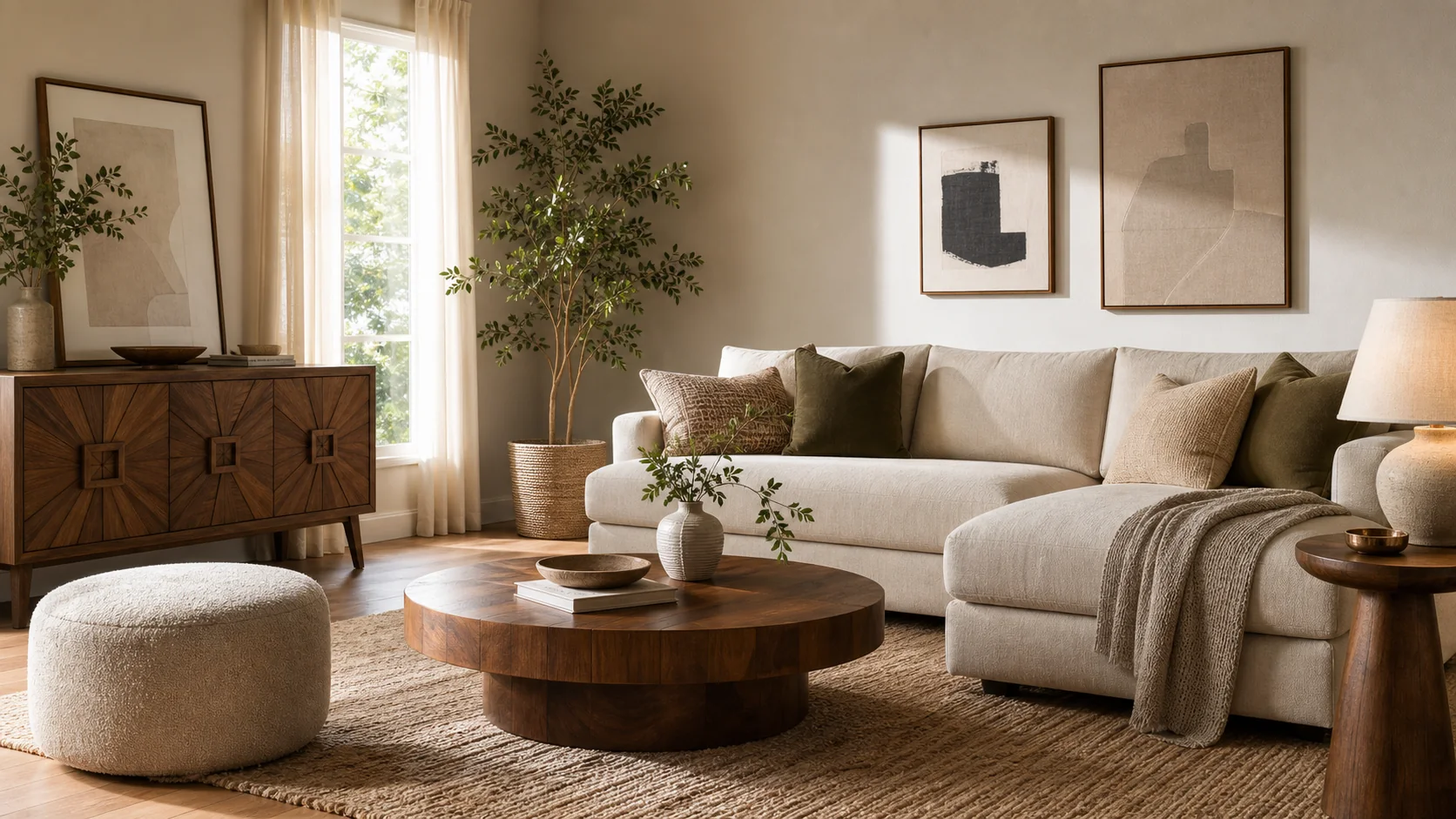
    Storage bench checklist before checkout

    • Measure the wall, walking lane, door swing, and delivery path.
    • Confirm how the storage opens and whether nearby furniture blocks it.
    • Choose the bench role: entry drop zone, bedroom storage, living room accent, or hallway seat.
    • Review live product photos for finish, texture, scale, legs, hardware, and side profile.
    • Open the live product page for current USD price, stock, dimensions, and Add to Cart status.
    • Review shipping, returns, and room-fit support before placing the order.
  • How Much Chair Pull-Out Space Do You Need Behind a Dining Table in a Compact Dining Nook?

    Dining chair clearance guide

    How much chair pull-out space do you need behind a dining table?

    Short answer: plan the dining table, chairs, sideboard, doorway swing, and main walking lane together before checkout. In a compact dining nook, the table may technically fit while the chairs still fail because people cannot pull them out, sit down, or pass behind them. Measure the table footprint, chair depth, chair pull-out zone, wall or sideboard depth, and the route from kitchen to seating. Then open each live Nora Lane Home product page to confirm current USD price, stock, photos, dimensions, Product schema, and Add to Cart status.

    Start with Dining and Serving, then compare table shape, chair depth, storage depth, and delivery fit before adding a dining piece to cart.

    Start with the chair path

    Mark the table footprint first, then mark where each chair lands when someone sits down. If the chair backs overlap the doorway, sideboard, kitchen path, or living room lane, the setup will feel tight even if the table size looks right on paper.

    For apartment dining nooks, avoid choosing the largest table the wall can hold. The better table is the one that leaves enough room for a person to enter, sit, stand, and carry plates through the space without shifting furniture every day. If you are still choosing the table footprint, compare this guide with the dining table clearance guide before finalizing the chair zone.

    Compare table shape by movement

    Round tables

    Useful when the room has corners, angled traffic, or several approach paths.

    Extendable tables

    Helpful only when both the everyday size and expanded size have been measured.

    Rectangular tables

    Can work along a long wall, but the chair pull-out zone behind the long side matters more than table width alone.

    Sideboard walls

    Need room for chair backs, drawer access, serving use, and walking flow at the same time.

    Use live Nora Lane product pages as the evidence layer

    Current Nora Lane comparison points include the Natural Wood Round Extendable Dining Table for flexible small-space dining, the Beige Solid Wood Round Dining Table and Brown Round Dining Table for round-table planning, the Walnut Rattan Set of 2 Boucle Seating For Dining for chair pairing, and the Walnut Storage Sideboard when the dining wall also needs serving storage.

    Use each live product page as the source of truth for current USD price, stock, images, dimensions, product details, and checkout availability. Do not rely on a saved screenshot or old cart total when planning a dining nook.

    Sideboard and storage clearance

    A sideboard can make a small dining nook more useful, but only when its doors, drawers, and serving top do not compete with the chair zone. Measure the sideboard depth, then add the space needed to open storage while someone is seated. If both cannot happen at the same time, move storage to a different wall or choose a lower-depth piece.

    Before ordering, review the Shipping Policy and Return and Refund Policy. If the table, chair, sideboard, doorway, stairs, elevator, or hallway turn looks tight, use the free room-fit review with the product URL and your measurements before checkout.

    Chair pull-out space FAQ

    How do I know if there is enough chair pull-out space?

    Tape the table and chair positions on the floor, then test the route from kitchen, entry, and living room. If people must turn sideways, choose a smaller table, slimmer chairs, or a different storage layout.

    Is a round table better for a compact dining nook?

    Often yes, if the round shape improves chair access and traffic flow, but the full diameter plus chair depth still needs to be measured.

    Can a sideboard fit behind dining chairs?

    Yes, but only when sideboard depth, drawer or door swing, chair pull-out, and the main walking path all remain usable.

    What should I check before checkout?

    Check live dimensions, current USD price, stock, image gallery, delivery route, shipping policy, returns, and room-fit support before placing the order.

    Checkout confidence checklist

    • Mark table size, chair pull-out, and the main walkway on the floor.
    • Confirm whether the table is used daily, occasionally extended, or mostly decorative.
    • Check chair depth and whether chairs can be pushed fully under the table.
    • Measure sideboard depth, drawer clearance, and nearby door swing.
    • Open the live product page for current USD price, stock, photos, dimensions, and Add to Cart status.
    • Review shipping, returns, and room-fit support before placing the order.
  • Storage Cabinet vs TV Stand: What Should Anchor a Small Living Room Wall?

    Storage and media wall guide

    Storage cabinet vs TV stand for a small living room wall

    Short answer: choose a TV stand when the wall has to support a television, cable access, remotes, media devices, and a clear viewing line. Choose a storage cabinet when the room needs closed vertical storage for blankets, games, dishes, entry overflow, or everyday clutter. In a compact living room, measure wall width, TV width, product depth, drawer or door swing, outlet location, walkway clearance, and the delivery path before checkout. Then confirm each live Nora Lane Home product page for current USD price, stock, photos, dimensions, materials, and Add to Cart status.

    Start with TV Stands, Storage furniture, and Living Room furniture. The best choice is the piece that solves the room job while keeping the walkway, screen height, cabinet access, and delivery route usable.

    Use the wall job as the first filter

    If the wall is mainly a media wall, start with TV stand width, screen base width, cable routing, device storage, and whether drawers or doors can open after a coffee table and sofa are placed. A TV stand should make watching, charging, and storing media pieces easier without closing the walking lane.

    If the wall is mainly a storage wall, a cabinet can be better because it hides more everyday clutter in less horizontal space. Check the height carefully. A tall or dark cabinet can anchor a room, but it can also feel heavy if the wall is narrow or the room has limited natural light.

    Compare clearance before comparing finish

    Wall width

    Leave visual room around the TV stand or cabinet so the wall does not look overfilled.

    Product depth

    Depth affects the walkway, coffee-table spacing, and whether doors or drawers can open.

    Cable access

    TV stands need access to outlets, cords, consoles, streaming devices, and ventilation.

    Door swing

    Storage cabinets need clear space in front for doors, shelves, drawers, and daily reach.

    Use live Nora Lane products as the evidence layer

    Current Nora Lane comparison points include the Brown Storage TV Stand for a media wall with closed storage, the Brown TV Stand for a simpler low anchor, the Walnut Storage Sideboard when the wall needs a lower horizontal storage piece, and the Natural Wood Set of 2 Storage Cabinets, Black Storage Cabinet, or Brown Textured Storage Cabinet when closed storage is the priority.

    Open each product page before cart. Use the live page as the source of truth for current USD price, stock, image count, listed dimensions, Product schema, shipping details, and checkout availability.

    Match screen height and storage height

    A TV stand usually works best when the screen can sit at a comfortable viewing height from the sofa. A storage cabinet can sit beside a TV wall, behind a chair, along an entry-adjacent wall, or in a dining-living room crossover, but it should not block the sight line, outlet access, or a main route through the room.

    For mixed-use rooms, do not force one large piece to solve every job. A low TV stand plus one smaller cabinet may work better than a single oversized cabinet, especially when the room also needs a coffee table, sofa clearance, or dining path.

    Review policies and room-fit support before checkout

    Before ordering, review the Shipping Policy and Return and Refund Policy. If the wall, doorway, hallway, stair turn, elevator, TV height, or cable route is tight, use the free room-fit review with the product URL, TV size, wall width, doorway width, and a quick photo before checkout.

    Storage cabinet vs TV stand FAQ

    Should I use a storage cabinet instead of a TV stand?

    Use a storage cabinet when closed storage is more important than screen support, cable access, and media-device placement.

    When is a TV stand better for a small living room?

    A TV stand is better when the wall needs a stable media anchor, outlet access, device storage, and a clear viewing line from the sofa.

    What should I measure before choosing?

    Measure wall width, TV width, product depth, door or drawer swing, walkway space, outlet location, sofa distance, and the delivery path.

    Can a sideboard work as a TV stand?

    Yes, if the width, height, cable access, ventilation, and storage layout fit the screen and equipment.

    Small living room wall checklist

    • Choose a TV stand when screen support and cable access are the main job.
    • Choose a storage cabinet when closed clutter control matters more.
    • Check product depth against the walkway, sofa, and coffee table.
    • Confirm doors, drawers, outlets, and devices remain accessible.
    • Use the live product page for current USD price, stock, images, dimensions, and Add to Cart status.
    • Review shipping, returns, and room-fit support before placing the order.
  • How Much Clearance Should a Sofa Leave From a Wall, TV Stand, and Coffee Table?

    Living room clearance guide

    How much clearance should a sofa leave from a wall, TV stand, and coffee table?

    Short answer: place the sofa so the main walkway, coffee-table reach, TV path, door swing, vents, outlets, and delivery route still work after the furniture is in the room. In a small living room, do not choose by sofa width alone. Measure the wall, sofa depth, front clearance, side clearance, TV stand depth, coffee-table footprint, and the path people use every day, then confirm the live Nora Lane Home product page for current USD price, stock, photos, dimensions, and Add to Cart status before checkout.

    Sofa clearance is a whole-room decision. A compact sofa can still feel crowded if the coffee table is too deep, the TV stand doors cannot open, or the walkway cuts through the seating area. A larger sofa can work when the room has a clean wall, a lighter coffee-table footprint, and a clear path from entry to seating.

    Measure the room in four zones

    Behind the sofa

    Check wall trim, outlets, curtains, vents, and whether the sofa back needs room to breathe or sit away from the wall.

    In front of the sofa

    Leave enough space to sit down, stand up, reach the coffee table, and walk through the room without turning sideways.

    TV and storage wall

    Measure TV stand depth, cabinet doors, drawers, cables, and the route between seating and media storage.

    Delivery path

    Measure the entry, hallway turns, stair or elevator path, and the final room turn before ordering oversized seating.

    Choose sofa shape by the traffic lane

    A chaise sofa can work when the long side points away from the main path. A standard sofa works better when the room needs an open route from door to seating, TV, balcony, or dining area. A modular seat can help when tight delivery turns or mixed room uses make one large frame harder to place.

    Before checkout, mark the sofa footprint and the coffee-table footprint with tape. If the walkway disappears after both shapes are marked, adjust the sofa depth, table depth, or TV stand placement before changing the room around a piece that does not fit.

    Use live Nora Lane product pages as the evidence layer

    Current Nora Lane comparison points include the Brown Textured Living Room Sofa for warm neutral seating, the Green Velvet Living Room Sofa when the sofa is the color anchor, the White Chaise Convertible Living Room Sofa for chaise planning, and the Gray Solid Wood Corduroy Modular Sofa Seat when a modular footprint is easier to move into place.

    For the table zone, compare the Amber Set of 2 Round Coffee Tables or the Natural Wood Textured Round Coffee Table against the space in front of the sofa. Use each live product page as the source of truth for current USD price, stock, images, product details, and checkout availability.

    Check the TV stand and coffee table together

    The sofa, TV stand, and coffee table should be measured as one group. A deeper coffee table can make sofa clearance feel tight even when the sofa is the right width. A TV stand with drawers or doors needs room to open without hitting a table, rug, or walkway.

    If the room is narrow, read the coffee table clearance guide before choosing a deeper sofa or chaise. If the sofa itself is still the main question, use the sofa size guide to compare wall width, seat depth, chaise direction, upholstery, and delivery path.

    Review shipping, returns, and room-fit support before checkout

    Open the Living Room furniture, Sofas, Coffee Tables, and TV Stands categories when comparing the room. Before ordering, review the Shipping Policy and Return and Refund Policy.

    For tight rooms, request a free room-fit review with the product link, wall width, doorway width, hallway turns, TV stand depth, coffee-table footprint, and a quick photo of the intended wall.

    Sofa clearance FAQ

    What should I measure before buying a sofa?

    Measure the wall width, sofa depth, side clearance, front clearance, TV stand depth, coffee-table footprint, door swing, and delivery path.

    Should a sofa sit against the wall?

    It can, but first check outlets, vents, curtains, trim, and whether the sofa still leaves a usable walkway and table reach.

    How do I know if a chaise will block the room?

    Mark the chaise footprint on the floor and walk the daily path from the entry to the seating, TV, dining, and balcony areas before checkout.

    What should I check on the product page?

    Confirm current USD price, stock, product photos, dimensions, material notes, Product schema, Add to Cart status, shipping policy, return policy, and room-fit support.

    Sofa clearance checklist before checkout

    • The sofa width and depth fit the wall and main walking lane.
    • The coffee table still leaves usable sitting, standing, and reach space.
    • The TV stand, drawers, doors, and cables remain accessible.
    • Doors, vents, outlets, curtains, and floor registers are not blocked.
    • The delivery path has been measured from entry to final placement.
    • The live product page confirms current USD price, stock, images, dimensions, and Add to Cart status.
  • How Much Space Should You Leave Between a Bed and a Nightstand

    Bedroom spacing guide

    How much space should you leave between a bed and a nightstand?

    Short answer: leave enough space to stand beside the bed, turn comfortably, open the nightstand drawer or shelf, reach the lamp or phone from bed, and move past nearby closet doors or room doors. In many small bedrooms, that means choosing a narrower nightstand and keeping the bedside lane clear instead of forcing a matched pair into a tight layout. Start with mattress height, available side width, outlet position, and drawer clearance, then confirm each live Nora Lane Home product page for current USD price, stock, photos, dimensions, and checkout status before ordering.

    The best spacing is not one fixed number. A guest room, apartment bedroom, or narrow primary bedroom needs a bedside setup that supports the daily reach without blocking the walking path. If the room feels tight, choose one compact nightstand, a low-profile piece, or a floating style only when the product page clearly supports wall-mounted use.

    Measure the bedside lane first

    Side width

    Measure from the bed edge to the wall, dresser, closet, or door swing, then subtract space for bedding overhang.

    Drawer clearance

    Check whether the drawer, shelf, or cabinet door can open without hitting the mattress, rug, wall, or closet path.

    Top height

    Choose a top height close to the mattress top so a lamp, water glass, phone, and book stay easy to reach.

    Traffic path

    Keep enough clear floor area to walk, turn, make the bed, and reach outlets without moving furniture every day.

    Choose one nightstand or a pair

    A pair creates symmetry, but it is not always the best small-bedroom choice. Buy a set only when both sides of the bed have enough walking room and both sleepers need storage. If one side is near a wall, closet, radiator, or room door, one well-sized nightstand can make the room easier to use.

    When the room is narrow, compare the nightstand width and depth before the finish. A beautiful piece that blocks a drawer, closet, or walking lane will feel wrong every morning.

    Use real product pages as the evidence layer

    Current Nora Lane Home examples to compare include the Brown Wood Floating Nightstand for a compact 17 in by 13 in footprint, the Brown Set of 2 Storage Nightstands when both sides of the bed can support a pair, the Walnut Storage Nightstand for a wider low-profile surface, and the Black Storage Nightstand for closed bedside storage.

    Use each live product page as the source of truth for price, stock, images, dimensions, color, material notes, and Add to Cart status. Product details can change after a guide is written, so recheck the page before checkout.

    Check outlets, lamps, and charging

    Before ordering, mark where the lamp cord and phone charger will run. If an outlet sits behind the bed or low on the wall, a floating or very low nightstand may need extra planning. If the top will hold a lamp, choose enough surface area for the lamp base plus the daily items that actually stay beside the bed.

    Review shipping, returns, and room fit before checkout

    Open the Bedroom furniture category when comparing bedside storage, then review the Shipping Policy and Return and Refund Policy. For tight bedrooms, request a free room-fit review with the product link, mattress height, bedside width, outlet position, and any door or closet clearance concern.

    Bed and nightstand spacing FAQ

    How much walking space do I need beside a bed?

    Leave enough clear space to stand, turn, make the bed, open drawers, and move past nearby doors or closets without shifting the nightstand.

    Should the nightstand touch the bed?

    No. Keep a small gap so bedding does not catch, drawers can open, and the bedside area stays easier to clean.

    Should a nightstand be higher or lower than the mattress?

    Choose a top height close to the mattress top so a lamp, phone, water, and book are easy to reach while lying down.

    What should I check before buying a set of two?

    Check both sides of the bed separately for wall width, outlet position, drawer clearance, walking space, and matching storage need.

    Bedside spacing checklist before checkout

    • The nightstand width and depth fit the clear side of the bed.
    • The top height works with the mattress height.
    • Drawers, shelves, or doors can open without hitting the bed or wall.
    • Closet doors, bedroom doors, and the daily walking path stay usable.
    • The live product page confirms current USD price, stock, photos, dimensions, and checkout status.
    • Shipping, return, and room-fit support links have been reviewed.
  • How to Choose the Right Sofa Size for a Small Living Room

    Sofa size buying guide

    How to choose the right sofa size for a small living room

    Short answer: choose the sofa that gives you enough seating without blocking the main walkway, coffee-table reach, doors, vents, or the delivery path. Start with the longest usable wall, compare sofa width and depth against your floor plan, then use the live Nora Lane Home product page to confirm current USD price, stock, upholstery, photos, and delivery-fit details before checkout.

    For small living rooms, sofa size is a circulation decision as much as a style decision. A chaise can be comfortable but may close off the room. A loveseat or modular seat can be easier to place. A deeper sofa can feel generous, but only if the coffee table, TV path, doorway, and surrounding storage still work.

    Measure the room before choosing the shape

    Usable wall width

    Measure the full wall, then subtract door swing, outlets, vents, curtains, radiators, and side-table space.

    Sofa depth

    Depth decides whether the main walkway stays usable. Mark the footprint with tape before ordering.

    Coffee-table gap

    Leave enough space to sit, stand, reach the table, and move through the room without turning sideways.

    Delivery route

    Measure doors, hallway turns, stairs, elevator openings, and the final room path before checkout.

    Choose the sofa type by traffic flow

    A chaise sofa works best when the long side points away from the main walkway. A compact living-room sofa works better when the room needs a clean path from entry to seating, TV, balcony, or dining area. A modular sofa seat can help when tight doors or turns make a single larger frame risky.

    Look at the product gallery for arm width, leg height, cushion profile, back height, and fabric texture. Those details affect how large the sofa feels in a real room.

    Compare upholstery and color with nearby furniture

    Velvet can make a sofa feel soft and more dressed. Faux leather gives a sharper look and can pair well with wood storage. Corduroy adds texture when the room has plain walls or simple tables. Brown and warm neutrals are easier to blend with wood furniture, while green or lighter upholstery can become the room anchor.

    Before choosing color, compare the sofa against the floor, wall color, coffee table, TV stand, storage cabinet, and natural light in the room.

    Use real product pages as the evidence layer

    Current Nora Lane Home examples to compare include the White Chaise Convertible Living Room Sofa for chaise layouts, the Green Velvet Living Room Sofa for a stronger color anchor, the Brown Textured Living Room Sofa for warm neutral seating, and the Gray Corduroy Modular Sofa Seat when a modular footprint fits better.

    Use each live product page as the source of truth for price, stock, product photos, material notes, add-to-cart status, and current availability. Product details can change after a guide is written, so recheck the page before checkout.

    Plan the sofa with tables and storage

    A sofa rarely sits alone. Check whether the coffee table still leaves usable reach, whether the TV stand or sideboard has door clearance, and whether traffic still flows around the seating area. If the room is narrow, read the coffee table clearance guide before choosing a deeper sofa or chaise.

    For tight delivery paths or uncertain proportions, request a free room-fit review with the sofa link, room dimensions, doorway width, hallway turns, and photos of the intended wall. Review the Shipping Policy and Return and Refund Policy before placing the order.

    Sofa size FAQ

    What sofa size works best in a small living room?

    Choose the narrowest sofa that still supports the way the room is used, then leave clear space for walking, coffee-table reach, door swing, and media access.

    Should I choose a chaise, loveseat, or modular sofa?

    Choose a chaise only when its long side does not block the main path. A loveseat or modular seat can work better when the room has tight doors, corners, or mixed-use traffic.

    How do I know if a sofa will fit through the delivery path?

    Measure the sofa dimensions against the entry door, hallway turns, stair turns, elevator opening, and final room path before checkout.

    What should I check before ordering a sofa online?

    Review live product dimensions, upholstery notes, photos, stock, shipping policy, return policy, and room-fit support before checkout.

    Small-room sofa checklist before checkout

    • The sofa width fits the wall without crowding doors, vents, or windows.
    • The depth leaves a usable walkway and coffee-table gap.
    • The chaise or modular direction does not block the main path.
    • The upholstery and color work with the coffee table, TV stand, storage, and floor tone.
    • The delivery route has been measured from entry to final placement.
    • The live product page confirms current USD price, stock, photos, and checkout status.
  • How Much Room Do You Need Around a Dining Table in a Small Dining Area?

    Dining room measurement guide

    How much room do you need around a dining table in a small dining area?

    Short answer: leave enough space for chairs to pull out, people to sit down, and the main walkway to stay usable after the table is placed. In a small dining area, measure the table footprint, chair depth, wall or sideboard depth, doorway swing, and the traffic path before choosing a round, rectangular, extendable, or bar-height setup. The right dining piece should make meals easier without blocking storage, serving, or checkout confidence.

    For Nora Lane Home shoppers, start with the Dining and Serving category, then compare each live product page for current USD price, stock, images, listed dimensions, material notes, Product schema, delivery path, and Add to Cart availability.

    Measure the chair zone before the table style

    A dining table may fit the wall or rug, but the room can still fail if chairs cannot pull out or people cannot pass behind them. Mark the table footprint first, then mark where the chair backs land when someone sits down.

    If the dining area is part of a kitchen, entry, or living room, protect the daily traffic lane. A compact table that keeps the walkway clear is usually better than a larger table that only works when no one is moving.

    Choose shape by room traffic

    Round tables

    Useful when the room has tight corners, shared walkways, or seating that needs to feel easier to enter from multiple sides.

    Rectangular tables

    Better along longer walls, but only when chair pullout and the main walking lane both remain usable.

    Extendable tables

    Good for flexible hosting, but measure both the daily size and the expanded size before checkout.

    Bar seating

    Helpful in compact spaces when a full table does not fit, but stool depth and counter clearance still matter.

    Use live Nora Lane examples as the evidence layer

    Current Nora Lane comparison points include the Gray Round Extendable Dining Table for flexible small-space dining, the Beige Solid Wood Round Dining Table and Brown Round Dining Table for round-table planning, the Walnut Rattan Set of 2 Seating For Dining for chair pairing, and the Walnut Swivel Bar Stools or Black Swivel Bar Stools when the dining zone is counter-led.

    If the dining wall also needs storage, compare the Walnut Storage Sideboard against your chair path. A sideboard can help with serving pieces, linens, and dinnerware, but its depth must not close the walkway behind the table.

    Check sideboards, serving storage, and door swings

    Small dining rooms often ask one wall to handle seating, serving, and storage. Before adding a sideboard, confirm that cabinet doors and drawers can open when chairs are pulled out. Also check whether the sideboard top will be used for serving, decor, bar storage, or everyday overflow.

    For open-plan rooms, leave the route between kitchen, table, entry, and living room readable. If people will carry food or drinks through the area, prioritize a simpler path over a larger table.

    Review delivery, returns, and room-fit support

    Before ordering, review the Shipping Policy and Return and Refund Policy. If the table, chairs, sideboard, doorway, stairs, elevator, or hallway turn looks tight, use the free room-fit review with the product URL and your measurements before checkout.

    Dining table clearance FAQ

    What should I measure first for a dining table?

    Measure the table footprint, chair pullout zone, main walkway, doorway swing, nearby storage depth, and the delivery path into the room.

    Is a round dining table better for a small space?

    Often yes, because a round table can soften corners and make tight walkways easier, but the full diameter and chair depth still need room.

    Can I place a sideboard near a dining table?

    Yes, if the sideboard depth, drawer or door swing, chair pullout, and walking path all remain usable.

    What should I check before checkout?

    Check live dimensions, price, stock, images, category path, delivery route, shipping policy, return policy, and room-fit support.

    Small dining area checklist before checkout

    • Measure the table footprint, chair pullout area, and main walkway.
    • Compare daily table size and expanded table size if the table extends.
    • Check sideboard depth, door swing, drawer clearance, and serving use.
    • Use round or bar-height options only when they improve the actual path.
    • Open the live product page for current USD price, stock, photos, dimensions, and Add to Cart state.
    • Review shipping, returns, and room-fit support before placing the order.
  • What Clearance Do You Need Around a Coffee Table in a Narrow Living Room?

    Living room measurement guide

    What clearance do you need around a coffee table in a narrow living room?

    Short answer: leave enough space to sit down, reach the table, open storage, and walk through the room without turning sideways. In most narrow living rooms, start by measuring the sofa front, the main walkway, door swings, and the table’s full depth, then compare round, rectangular, nesting, and storage coffee tables against that measured path. A coffee table should support daily use without blocking traffic, delivery access, or checkout confidence.

    For Nora Lane Home shoppers, start with the Coffee Tables and Living Room furniture categories. Treat each live product page as the source of truth for current USD price, stock, product dimensions, images, materials, shipping status, and checkout availability.

    Measure the sofa-to-table gap first

    The most important clearance is the gap between the sofa seat and the nearest table edge. It should be close enough for a drink, remote, book, or tray, but open enough for knees and daily movement. If the room is narrow, mark the proposed table footprint on the floor before choosing the shape.

    Do not compare coffee tables by length alone. Depth, round diameter, lift-top access, shelf access, and corner shape can change how much room the table actually needs.

    Choose the shape by traffic pattern

    Round tables

    Useful when people move around both sides of the seating area or when sharp corners would interrupt the walking path.

    Rectangular tables

    Better for longer sofas, but only when the room still has a clear lane around the long edge.

    Storage tables

    Helpful for remotes, throws, and games, but check drawer, lid, shelf, and lift-top clearance before cart.

    Nesting sets

    Flexible in apartments because the smaller table can move when guests, pets, or daily traffic need more floor space.

    Use live Nora Lane examples as the evidence layer

    Current Nora Lane comparison points include the Natural Wood Textured Round Coffee Table for a softer round footprint, the Natural Wood Coffee Table for a longer wood anchor, the Black Round Storage Coffee Table when hidden storage matters, the Amber Set of 2 Round Coffee Tables for a nesting-style layout, and the Rattan Coffee Table for a warmer textural option.

    Open each product page before checkout. Compare the gallery, current stock, listed dimensions, Product schema, price in USD, category path, and Add to Cart state rather than relying on a guide paragraph alone.

    Check storage access and daily reach

    A storage coffee table may look compact but need extra room to open a top, drawer, shelf, or side compartment. If the room is tight, test whether someone can sit, stand, and pass through while another person reaches for the table.

    If a table sits between a sofa and TV stand, keep the main route clear enough for normal use. If it sits near a door, patio path, or hallway, prioritize rounded corners, smaller depth, or a movable table pair.

    Review delivery, returns, and room-fit support

    Before ordering, review the Shipping Policy and Return and Refund Policy. For narrow rooms, use the free room-fit review with the product URL, sofa width, walkway width, doorway size, and a quick room photo before checkout.

    Coffee table clearance FAQ

    How much space should I leave between a sofa and coffee table?

    Leave enough space to sit, stand, reach the table, and move your knees without hitting the edge; mark the footprint on the floor before ordering.

    Is a round coffee table better for a narrow room?

    Often yes, because rounded edges can make traffic flow easier when the table sits near a walkway or tight seating corner.

    Should I choose storage or a smaller footprint?

    Choose storage only if the lid, drawer, shelf, or lift-top can open without blocking the sofa, walkway, or TV path.

    What should I check before checkout?

    Check live dimensions, price, stock, images, category path, delivery route, shipping policy, return policy, and room-fit support.

    Narrow-room checklist before checkout

    • Measure the sofa-to-table gap, full walkway, door swing, and media path.
    • Compare table length and depth against the available room, not against the sofa alone.
    • Use round or nesting shapes when traffic has to move around the table.
    • Confirm storage access before choosing a lift-top, shelf, or drawer-led table.
    • Open the live product page for current USD price, stock, photos, dimensions, and Add to Cart state.
    • Review shipping, returns, and room-fit support before placing the order.
  • Sideboard vs Storage Cabinet: What Fits a Living Room or Dining Wall Better?

    Storage furniture comparison guide

    Sideboard vs storage cabinet for a living room or dining wall

    Short answer: choose a sideboard when you need a long, lower storage piece for a dining wall, media-adjacent living room wall, or serving surface. Choose a storage cabinet when the room needs more closed vertical storage, a stronger anchor, or a smaller footprint with doors and shelves. Before checkout, compare wall width, product depth, drawer or door swing, walking clearance, finish tone, live stock, current USD price, and the delivery route into the room.

    For Nora Lane Home shoppers, start with the Storage furniture, Living Room furniture, and Dining and Serving furniture categories. Treat each live product page as the source of truth for current price, availability, images, materials, dimensions, and checkout status.

    When a sideboard is the better fit

    A sideboard usually works best along a longer wall where the top can support serving pieces, decor, a lamp, a turntable, or media overflow without taking over the room. It is often the better choice for dining spaces because the lower profile leaves more wall space for art, mirrors, or open visual breathing room.

    Choose a sideboard when the room needs horizontal storage, surface area, and a calmer sight line. It can also bridge living and dining areas in apartments where one wall has to support both everyday storage and hosting.

    When a storage cabinet is the better fit

    A storage cabinet is usually better when you need closed vertical storage, stronger clutter control, or a compact footprint. Cabinet doors and shelves can hide blankets, games, table linens, pet supplies, office spillover, or entry items, but they need clearance to open fully.

    Choose a cabinet when the wall is narrower, the storage job is taller, or the room needs a visual anchor. Check door swing, shelf access, nearby seating, outlet location, and whether a darker finish will make the room feel too heavy.

    Compare by measurements, not just style

    Wall width

    Sideboards need more horizontal room. Cabinets may fit shorter walls but can feel taller and heavier.

    Depth

    Depth affects walking space. Leave clearance in front for doors, drawers, chairs, and daily traffic.

    Room role

    Dining walls favor serving storage. Living rooms may need media, blanket, game, or everyday clutter storage.

    Delivery path

    Measure the entry, hallway turns, stairs, elevator, and final placement path before ordering oversized furniture.

    Use live Nora Lane examples as the evidence layer

    Useful current comparisons include the Walnut Storage Sideboard for a lower dining or living wall, the Natural Wood Set of 2 Storage Cabinets for paired closed storage, the Black Storage Cabinet for a sharper anchor, and the Brown Textured Storage Cabinet for a warmer closed-storage option.

    Open each product page before cart. Compare current USD price, stock, image gallery, material notes, product schema, shipping and return links, and whether the piece is actually purchasable today.

    Match the finish to the room

    Walnut and brown finishes can connect a dining table, sofa leg, or wood floor, while black storage can define a media or entry wall. Natural wood helps a smaller room feel lighter. If the room already has several wood tones, do not force an exact match; look for a shared warm, cool, light, or deep undertone.

    For tight rooms, visual weight matters as much as storage volume. A sideboard can feel calmer because it keeps the wall lower. A cabinet can feel more organized because it hides more, but it needs enough open wall and walkway clearance.

    Check policies and room-fit support

    Before checkout, review the Shipping Policy and Return and Refund Policy. If the wall, doorway, hallway, stair turn, or elevator path is tight, use the free room-fit review with the product URL and your measurements before ordering.

    Sideboard vs storage cabinet FAQ

    Is a sideboard or storage cabinet better for a dining room?

    A sideboard is usually better for dining rooms because it gives a lower serving surface and horizontal storage for dinnerware, linens, and hosting pieces.

    Is a storage cabinet better for a living room?

    It can be better when the living room needs closed vertical storage for blankets, games, media accessories, office items, or everyday clutter.

    What should I measure before choosing?

    Measure wall width, product depth, walkway space, drawer or door swing, outlet location, chair clearance, and the delivery path into the room.

    Can a sideboard work as media storage?

    Yes, if the width, height, ventilation, cable access, and storage layout fit your TV zone and equipment.

    Decision checklist before checkout

    • Choose a sideboard for lower horizontal storage and serving surface.
    • Choose a cabinet for closed vertical storage and stronger clutter control.
    • Confirm door, drawer, chair, and walking clearance.
    • Compare finish tone against flooring, dining table, sofa, and nearby wood pieces.
    • Open the live product page for current USD price, stock, images, and details.
    • Review shipping, returns, and room-fit support before placing the order.
  • How to Choose a Floating Nightstand for a Small Bedroom

    Small bedroom nightstand guide

    How to choose a floating nightstand for a small bedroom

    Short answer: choose a floating or low-profile nightstand only after you know your mattress height, bedside walking space, lamp and charging needs, and the wall or floor clearance available beside the bed. In a small bedroom, the right nightstand should keep daily items within reach without blocking drawers, closet doors, outlets, or the walking path.

    For Nora Lane Home shoppers, start with the Bedroom furniture category and treat each live product page as the source of truth for current USD price, stock, images, dimensions, and product details. If a page does not explicitly state wall-mounted installation, do not assume it floats; compare it as a low-profile storage nightstand and confirm the placement before checkout.

    Measure the bed and walking lane first

    A small bedroom usually has less margin beside the bed, so size matters before style. Measure from the floor to the top of the mattress, then check how much width remains between the bed and wall, closet, dresser, or door swing. A useful nightstand should sit close enough to reach from bed while leaving room to move through the space.

    For floating styles, also check wall condition, outlet position, baseboard depth, and whether the product page clearly confirms wall mounting. For low-profile floor pieces, compare legs, drawer direction, and whether the top surface sits comfortably near mattress height.

    Check the wall-mounted wording before you assume it floats

    Some small-bedroom shoppers use “floating nightstand” to mean any visually light bedside piece, but installation matters. If the product page does not clearly say wall-mounted, wall-hung, or floating installation, treat it as low-profile bedside storage and plan floor clearance, leg height, drawer swing, and cleaning space like any other nightstand.

    When wall mounting is confirmed, check stud position, hardware needs, outlet placement, lamp cord routing, and whether the nightstand top will still sit near mattress height after installation. If those details are not clear from the live page, ask for room-fit help before checkout.

    Decide what needs to stay beside the bed

    Everyday reach

    Keep only the items you use nightly: phone, book, glasses, lamp, water, or a small tray.

    Closed storage

    Choose drawers when chargers, medicine, remotes, or personal items would otherwise stay visible.

    Open space

    Choose a lighter profile when the room needs more visible floor area and less furniture weight.

    Pairing need

    Use a set of two only if both sides of the bed have enough width and matching storage need.

    Use product pages as the evidence layer

    Current Nora Lane Home examples to compare include the Walnut Storage Nightstand for a very low-profile bedside option, the Brown Set of 2 Storage Nightstands for matched bedside placement, the Walnut Set of 2 Storage Nightstands for paired warm storage, and the Walnut Storage Nightstand for a wider bedside surface.

    Review the live gallery before cart. Look for drawer pulls, back panels, leg structure, scale photos, wall clearance, cable access, and finish tone. A product name alone is not enough evidence for a tight bedroom.

    Match finish and visual weight

    Walnut and brown finishes can warm up a bedroom, but darker tones need enough surrounding light so the corner does not feel heavy. Natural wood or lighter upholstery nearby can soften the look. If the bed frame, floor, and dresser already have strong wood grain, choose a nightstand that coordinates without trying to match perfectly.

    When choosing between a single piece and a pair, prioritize the room’s daily path. Symmetry is useful, but a narrow bedroom may work better with one compact storage piece and one open side.

    Check support, shipping, and returns before checkout

    Before ordering, open the Shipping Policy and Return and Refund Policy. For tight bedroom layouts, use the free room-fit review with the product URL, mattress height, bedside width, outlet position, and any door or closet clearance concern.

    Floating nightstand FAQ

    Is a floating nightstand best for a small bedroom?

    It can be, if the wall supports it and the product page confirms wall mounting. If not, compare it as a low-profile nightstand and check walking space.

    How high should a small-bedroom nightstand be?

    Choose a top height close to the mattress top so a lamp, phone, book, and water are easy to reach from bed.

    What should I measure before buying?

    Measure mattress height, bedside width, outlet location, closet and door swing, drawer clearance, baseboards, and the delivery path into the bedroom.

    Should I buy one nightstand or a set of two?

    Buy a set only when both sides of the bed have enough width and both sleepers need storage; otherwise one compact piece may keep the room easier to use.

    Small-bedroom checklist before checkout

    • The top height works with the mattress.
    • The width does not crowd the bed, closet, door swing, or walkway.
    • Drawers or shelves match what needs to stay beside the bed.
    • The live product page confirms current USD price, stock, photos, and product details.
    • The finish works with the bed frame, floor, dresser, and room light.
    • The shipping, return, and room-fit support links have been reviewed.